

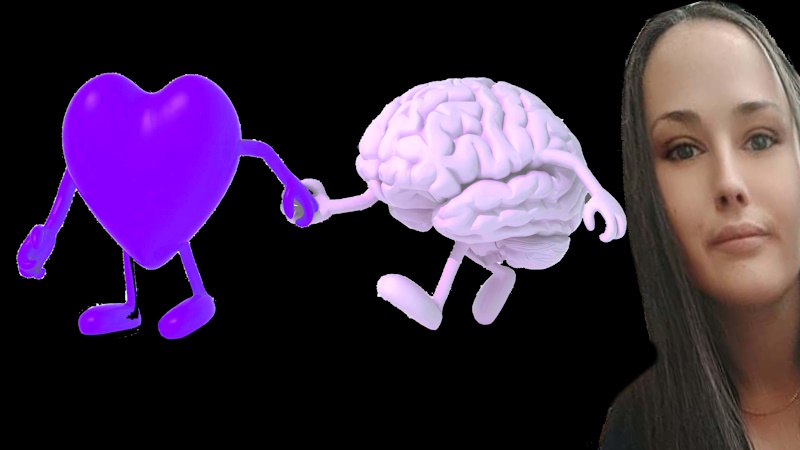
Emotional intelligence is the ability to remain grounded in the midst of external stimulation. It is the capacity to observe what is happening around you, without allowing it to override what is happening within you. At its core, emotional intelligence is about self-awareness, self-regulation, and conscious response rather than unconscious reaction.
It is the practice of understanding your emotional state in real time. Knowing what you feel, why you feel it, and how to move with that awareness instead of being driven by impulse, projection, or unresolved wounds. Emotional intelligence teaches you how to pause instead of explode, how to breathe instead of react, how to choose your responses instead of being ruled by them.
Being unbothered does not mean being detached, numb, or indifferent. It means being anchored. It means you are no longer easily thrown off balance by external chaos, opinions, triggers, or the emotional tides of others. Your peace becomes internal, not conditional.
Equally important, emotional intelligence is relational. It is the ability to perceive, understand, and hold space for the emotional worlds of others without taking on what does not belong to you. It is empathy without self-abandonment. Understanding without over-identifying. Compassion without losing your center.
When emotional intelligence is embodied, you stop reacting from survival and start responding from clarity. You listen more deeply. You speak more deliberately. You create fewer emotional entanglements and more conscious connections. You no longer seek control over people, you develop mastery over yourself.
This is the foundation of emotional maturity, spiritual growth, and conscious leadership. When you understand your emotions, they stop controlling you. When you understand the emotions of others, you stop personalizing them. And in that space, true freedom begins.